Great ideas rarely happen when you plan them — most of the time they emerge somewhere between a dead battery, an overheating laptop, and a drink you didn’t really need. That’s exactly how it was on the eve of Cloud Native Conference 2025.
Tim, Sebastian, and I were sitting in that typical hotel bar atmosphere: too loud, too expensive, not enough power outlets. But the tech talk started up the way it always does: cloud architecture, sovereignty, provider lock-in, best practices that aren’t really best practices — the kind of nerd conversation you can only have after 10pm with people who get it.
And somewhere — somewhere between “why does nobody do this properly?” and “this really should be better…” — something suddenly became clear to us:
- There is no Well-Architected Framework that is truly open, community-driven, and grounded in practice.
- None that actually listens to cloud practitioners.
- None that reflects the reality of our day-to-day work.
In that moment, WAF++ was born — maybe not the name yet, but definitely the idea. And no, not from a corporate workshop or an “Architecture Steering Board” — but from a spontaneous bar session full of ideas, discussions, and honest technical frustration. A mix of “we could…”, “we should…”, and “okay, let’s actually do this.”
Day 1 After the Idea — CNC 2025
The next day, Cloud Native Conference 2025 kicked off. We played Mario Kart, attended a lot of talks — including our own — and worked through security topics and sovereignty discussions… but the word we’d been missing the night before never really came up, because it simply didn’t exist yet. Each of us had our own presentation, all technically solid, but the issue of the missing framework wouldn’t let us go.
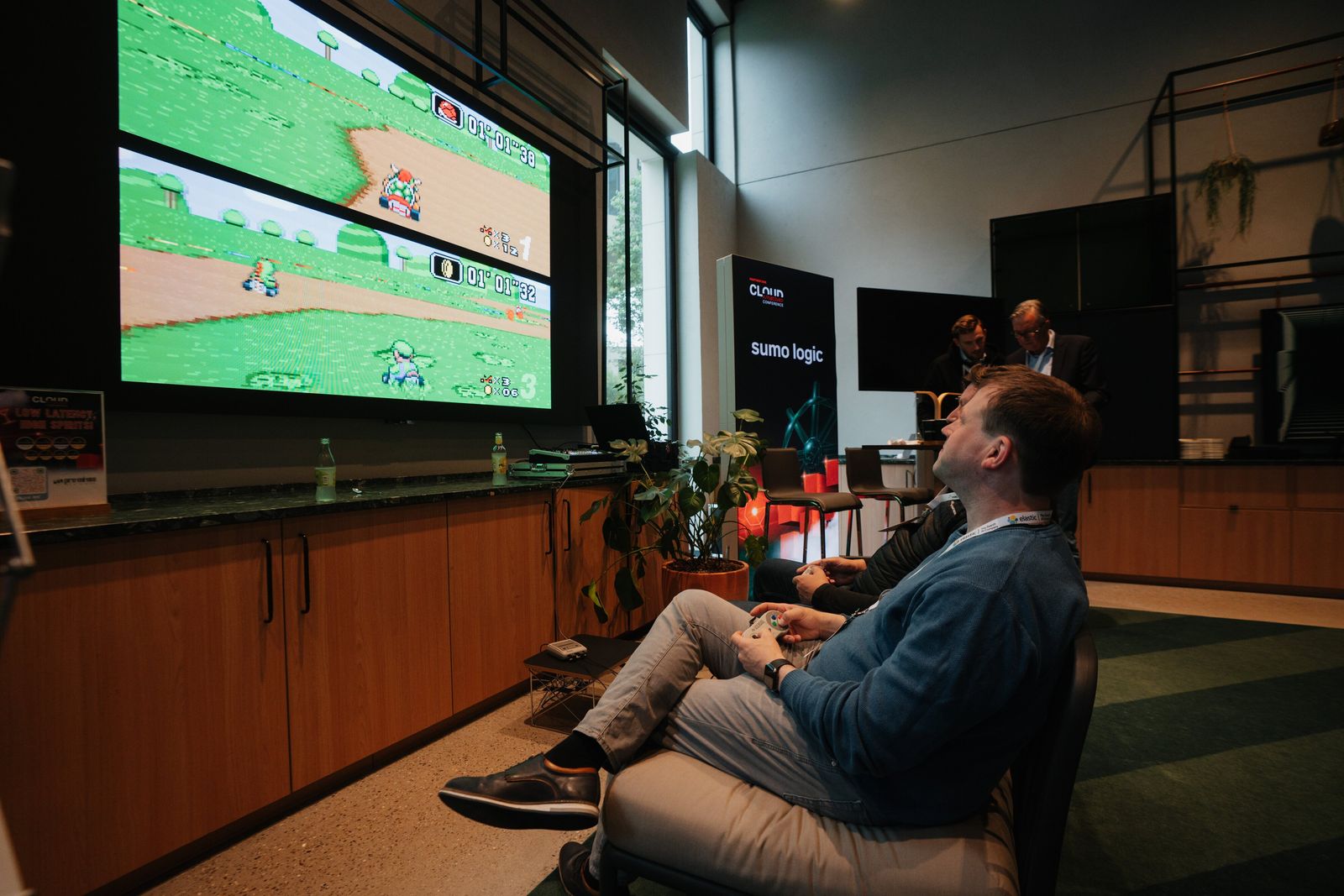 (C) by Manuel Emme Fotografie / Vogel IT / Cloud Native Conference
That evening, at the CNC party, the conversations continued. My company even picked up a Rockstar Award for an architecture implementation — which didn’t make the evening any less nerdy. We stood there, between music, networking, and bad lighting, and kept talking about how the cloud world needs exactly this kind of framework. It turned into a long night, with early flights and breakfast options clearly not designed for people running on two hours of sleep.
The Weeks After — The Official Start
In the two weeks following the conference we kept the conversation going intensively and made a decision: we’re starting as a team of four.
Artem — who later also came up with the name — completes the founding team.
I asked him, and he was in immediately. So we planned. One session means a virtual marathon meeting of four to five hours on Saturdays. Since the kickoff we’ve had eight of those sessions already. All following the same pattern: plan, geek out, laugh. Lots of laughing. Fun matters to us. Just as much as the idea that WAF++ is being built by the community, for the community.
Today — 2026, One Hundred Days Before CNC 2026
And now? Welcome to 2026. We are roughly 100 days from Cloud Native Conference 2026 — and we have:
- the whitepaper finished
- a survey on its way
- more and more conference sessions being confirmed
- and recently: our own Antora documentation area
WAF++ is growing. The community can grow. The idea is alive.
And: you can be part of it right now.
Have a look around the site. Leave a like. Drop a comment, a suggestion — or even a PR if you want to really dive in. We will see you on 12.05.2026 in Frankfurt at Cloud Native Conference 2026. And maybe another idea will start there too — somewhere between tech talk, a drink, and an overheating laptop.